Empowering Veterans Through Comprehensive Programs
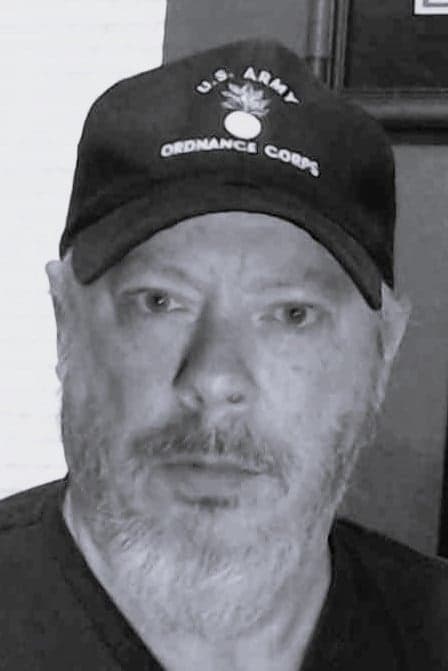
Veterans face unique challenges when transitioning from military to civilian life. These challenges can include physical injuries, mental health issues, employment difficulties, and social reintegration. To address these needs, comprehensive veteran support programs have been developed to empower veterans and help them thrive in their post-service lives. These programs offer a range of services, from healthcare and counseling to job training and community engagement.
The Importance of Veteran Support Programs
Veteran support programs play a crucial role in ensuring that those who have served their country receive the care and assistance they deserve. These programs are designed to:
Provide access to medical and mental health services
Offer career counseling and job placement assistance
Facilitate educational opportunities and skill development
Support family members and caregivers
Promote social connections and community involvement
For example, many veterans struggle with post-traumatic stress disorder (PTSD) and other mental health conditions. Veteran support programs often include specialized counseling and therapy to help manage these issues. Additionally, programs that focus on job training and education help veterans gain new skills that are valuable in the civilian workforce.

Key Components of Effective Veteran Support
Effective veteran support programs are comprehensive and tailored to meet the diverse needs of veterans. Some of the key components include:
Healthcare Services
Access to quality healthcare is fundamental. This includes physical rehabilitation, mental health counseling, and substance abuse treatment. Many programs partner with hospitals and clinics to provide these services.
Employment Assistance
Helping veterans find meaningful employment is a priority. Programs offer resume workshops, interview preparation, and connections to employers who value military experience.
Education and Training
Veterans often benefit from educational programs that help them transition into new careers. Scholarships, vocational training, and certification courses are common offerings.
Housing and Financial Support
Stable housing and financial security are critical for veterans. Support programs may provide temporary housing, financial counseling, and assistance with benefits.
Community and Peer Support
Social isolation can be a challenge for veterans. Peer support groups and community events foster a sense of belonging and mutual encouragement.
One notable example of a program that embodies these principles is the warrior project, which focuses on holistic support for veterans through various initiatives.

Practical Steps to Access Veteran Support Programs
If you or someone you know is a veteran seeking assistance, here are practical steps to access support programs:
Identify Your Needs - Determine whether you need healthcare, employment help, education, or other services.
Contact Veteran Affairs (VA) - The VA is a primary resource for veterans and offers a wide range of benefits.
Explore Nonprofit Organizations - Many nonprofits specialize in veteran support and may offer services not available through the VA.
Use Online Resources - Websites and forums can provide information and connect you with local programs.
Attend Veteran Events - Community events and workshops are great opportunities to learn about available resources.
Seek Peer Support - Connecting with other veterans can provide emotional support and practical advice.
By following these steps, veterans can find the right programs to meet their individual needs and improve their quality of life.

Building a Stronger Future for Veterans
Empowering veterans through comprehensive support programs is essential for building a stronger, healthier society. These programs not only address immediate needs but also foster long-term success and well-being.
Communities, governments, and organizations must continue to collaborate and innovate to expand the reach and effectiveness of veteran support. This includes:
Increasing funding for mental health services
Enhancing job training programs tailored to veterans
Improving access to affordable housing
Promoting awareness of veteran issues among the public
Encouraging veteran leadership in program development
By investing in these areas, we honor the sacrifices of veterans and help them achieve their full potential in civilian life.
Veteran support programs are more than just services - they are lifelines that restore hope, dignity, and opportunity. Through ongoing commitment and comprehensive care, we can ensure that every veteran receives the support they deserve.
Empowering veterans is a shared responsibility that benefits us all. Whether through direct assistance or community involvement, supporting those who served enriches our society and strengthens our future.
Comments